
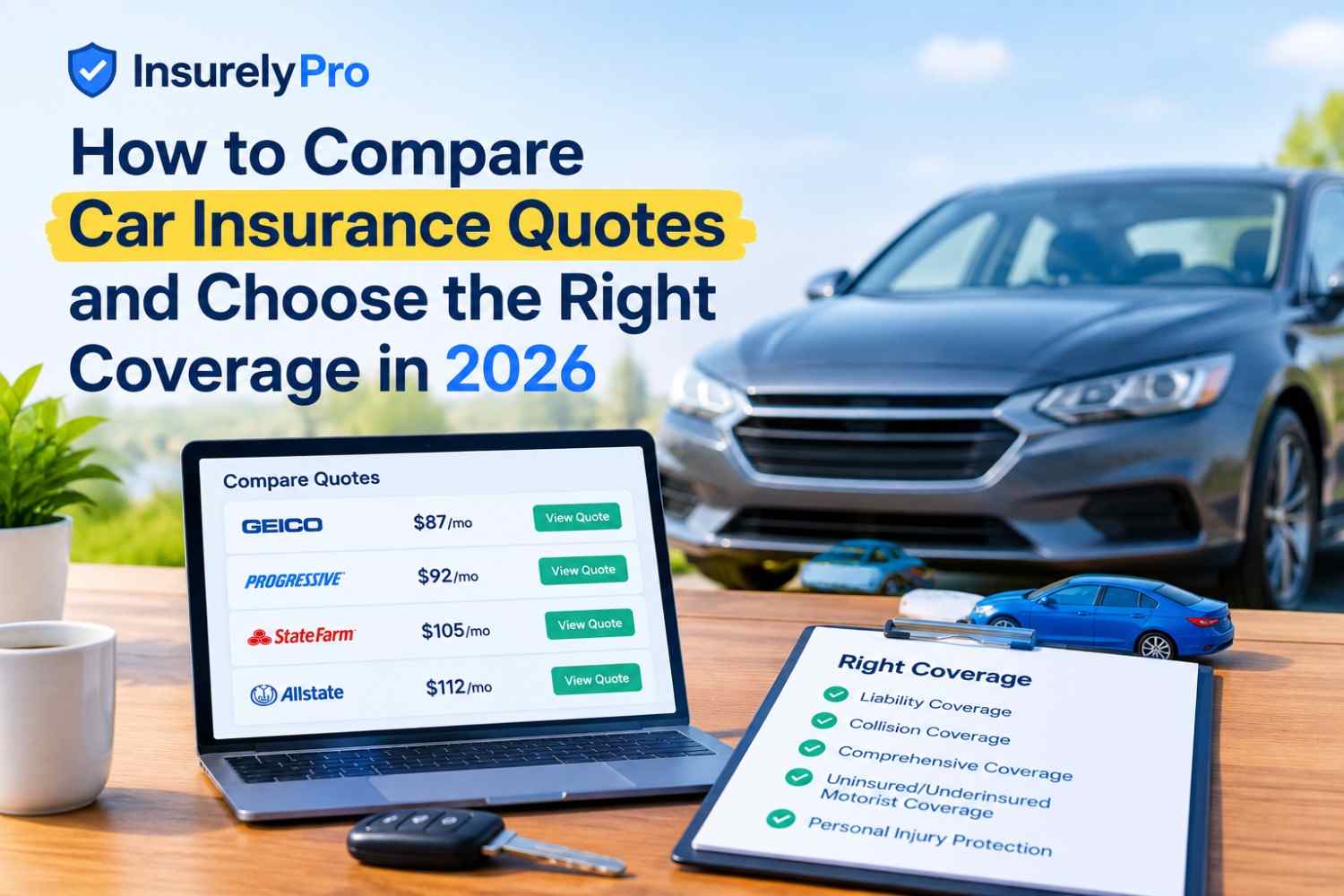
Shopping for car insurance can feel confusing, especially with so many companies offering different prices and plans. If you want to save money and still get good protection, learning how to compare car insurance quotes the right way is one of the smartest things you can do this year.
In this guide, we will walk you through everything you need to know, from where to get quotes, what factors affect your price, and how to pick the coverage that actually fits your life.
Why Comparing Car Insurance Quotes Matters
Many drivers stick with the same insurance company for years without ever checking if they could get a better deal elsewhere. The truth is, prices can vary a lot between companies for the exact same coverage. One company might charge you $120 a month, while another offers the same protection for $85.
That is why getting multiple car insurance quotes before you renew or switch policies is so important. It takes just a few minutes, and it could save you hundreds of dollars every year.
How to Get Car Insurance Quotes
There are a few simple ways to collect quotes and start comparing your options.
1. Use Online Comparison Websites
Comparison sites let you enter your information once and receive several quotes from different insurers at the same time. This is often the fastest way to see a range of prices side by side.
2. Visit Insurance Company Websites Directly
Some of the biggest names in the industry, like Geico, Progressive, State Farm, and Allstate, allow you to get an instant quote right on their website. This can be useful if you already have a company in mind.
3. Talk to an Independent Insurance Agent
An independent agent works with multiple insurance companies instead of just one. They can shop around on your behalf and often find deals that are not listed publicly online.
4. Call Insurance Companies Directly
If you prefer speaking to a real person, calling a few insurance providers and asking for quotes over the phone is still a solid option, especially if your situation is a bit more complex.
What Information You Need Before Requesting a Quote
To get an accurate quote, insurers will typically ask for details such as:
- Your name, age, and address
- Your driving history and any past accidents or violations
- The make, model, and year of your vehicle
- How many miles you drive each year
- The coverage limits and deductible you want
Having this information ready ahead of time makes the process faster and helps you avoid quotes that change later due to missing details.
Factors That Affect Your Car Insurance Price
Understanding what impacts your rate can help you make choices that lower your premium over time.
Driving Record A clean driving history with no accidents or tickets usually leads to lower rates. Even one accident can raise your premium for several years.
Age and Experience Younger and newer drivers often pay more since they are statistically more likely to be involved in accidents.
Location Where you live plays a big role. Urban areas with more traffic and higher theft rates tend to have higher insurance costs compared to rural areas.
Vehicle Type Sports cars and luxury vehicles usually cost more to insure than family sedans or smaller cars, mainly because repair and replacement costs are higher.
Credit Score In many states, insurance companies use your credit score as part of their pricing model. A better credit score can sometimes mean a lower premium.
Coverage Amount and Deductible Higher coverage limits and lower deductibles increase your monthly cost, while higher deductibles can lower your premium but mean more out of pocket if you file a claim.
Types of Car Insurance Coverage You Should Know
Before comparing car insurance quotes, it helps to understand the different types of coverage available so you know exactly what you are paying for.
Liability Coverage This covers damage or injuries you cause to others in an accident. Most states require a minimum amount of liability coverage by law.
Collision Coverage This pays for damage to your own vehicle after a collision, regardless of who was at fault.
Comprehensive Coverage This covers damage from things other than collisions, such as theft, fire, vandalism, or natural disasters.
Personal Injury Protection (PIP) This helps cover medical expenses for you and your passengers after an accident, no matter who caused it.
Uninsured or Underinsured Motorist Coverage This protects you if you are hit by a driver who does not have enough insurance, or any insurance at all.
How to Choose the Right Coverage for You
Picking the right coverage is not just about finding the cheapest option. It is about balancing cost with the protection you actually need.
If you have an older car with a low market value, you might not need full comprehensive and collision coverage, since the payout may not be much more than your deductible. On the other hand, if you have a newer vehicle or a car loan, your lender will likely require full coverage until the loan is paid off.
Think about your budget, your driving habits, and how much risk you are comfortable taking on. A good rule is to choose the highest liability limits you can comfortably afford, since this protects your savings and assets in case of a serious accident.
Tips to Get the Best Car Insurance Quotes in 2026
Compare at Least Three to Five Quotes Do not settle for the first quote you receive. Comparing several options gives you a clearer picture of fair pricing.
Ask About Discounts Many insurers offer discounts for safe driving, bundling home and auto insurance, low mileage, good grades for student drivers, or installing safety features in your car.
Review Your Policy Every Year Your life circumstances change, and so do insurance rates. Reviewing your policy annually ensures you are not overpaying.
Maintain a Good Credit Score Since credit can affect your rate in many states, keeping your credit healthy may help you get better pricing over time.
Consider Usage Based Insurance Some companies offer programs that track your driving habits through an app or device. Safe drivers can earn lower rates through these programs.
Final Thoughts
Comparing car insurance quotes does not have to be complicated. By gathering a few quotes, understanding the coverage types available, and knowing what factors affect your price, you can make a confident decision that protects both your vehicle and your wallet.
Take a little time this year to shop around. The few minutes you spend comparing quotes could lead to real savings and better peace of mind on the road.

Leave A Comment